
Walk down any city’s main street, any town’s high street, or a suburban cul-de-sac, and you’ll find the sounds of childhood have fundamentally changed. Gone are the days of the rhythmic chain-slapping noise of a BMX bike. Instead, you’re prone to hear the low whir and futuristic high-pitched noise of an e-bike.
From sleek foldables and lightweight commuters to SUV-like cargo haulers and high-performance eMTBs, micromobility is experiencing a boom unlike any other form of personal transport.
So it only makes sense to invest early and educate you on the yield early when you buy them an e-bike, right? Well, it's not so simple. The legal framework around children and micromobility is far more complex. Yes, there are inherent benefits to buying your child an e-bike; they get to go out, be independent, and keep away from screens. However, law enforcement agencies across the UK, the US and the EU are cracking down on underage riders.
In some parts of the UK, the US, Australia and Singapore, law enforcement has recognized that kids can’t be fully liable for possessing an e-bike that far exceeds their riding capabilities. Instead, they’ve chosen to punish and fine the parents and/or guardians.
So, let’s navigate this minefield to best inform you about what is legal, what isn’t, and what (if any) documents or licenses you may need to buy your child their first e-bike.
The Core Distinction
Much of the world’s legislation and regulation on eBikes centers on one question: whether they are bicycles or motor vehicles. The hard red line that separates a bicycle from a motor vehicle rests on three pillars: pedals, motor wattage, and top assisted speed.
If a vehicle has functional pedals and cuts off electric support at a set speed limit (25kph in the UK & EU, 25 mph in the US), it is, by law, treated as a standard bicycle. If it relies strictly on a twist throttle or exceeds the basic wattage limits (250 W in the UK & EU, 750 W in the US), it is considered a motor vehicle.
The European Union
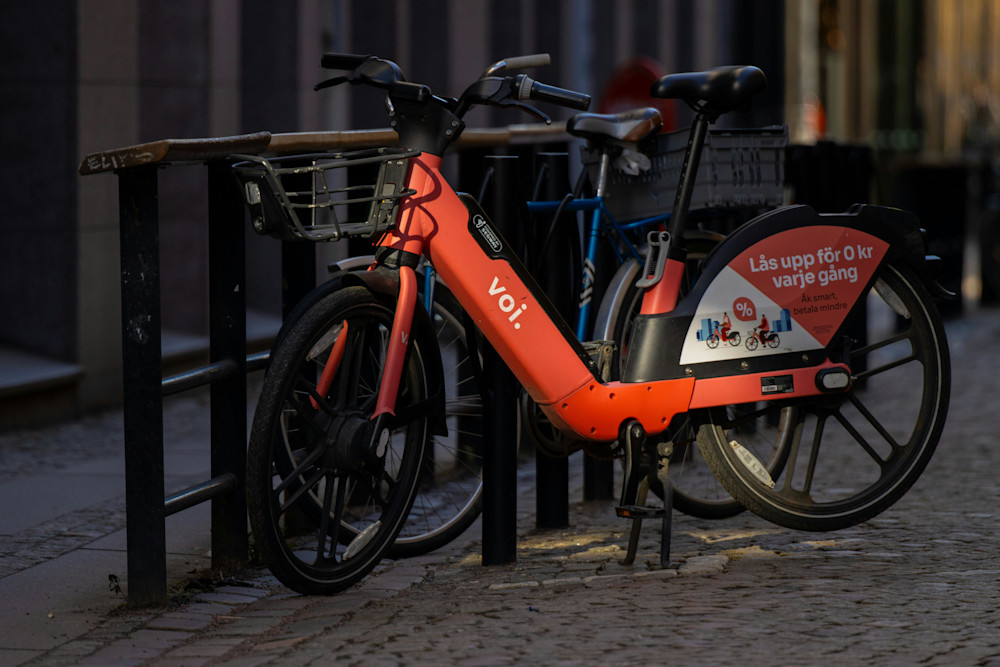
Image Via - Efrem Efre/ Pexels
The EU regulates e-bikes under the EPAC (Electric Power Assisted Cycle) framework. Much like the UK, an EPAC must feature pedal assistance, a maximum power of 250 W, and a strict cut-off speed of 25 kph.
While the mechanical definition is the same across the EU, the minimum age is not. Nations like Germany and the Netherlands have no minimum age requirement for purchasing and riding pedal-assisted e-bikes. However, independent safety councils are lobbying for a minimum age of 12 to ride EPACs. Conversely, France and Italy have strict rules against children under 14 riding any electric vehicles on the streets.
For faster e-bikes (known as speed pedelecs), which can assist up to 45 kph, or e-moto/dirt bikes, the EU categorizes them as L1e-B (mopeds) or L3e (motorcycles). Across the EU, the minimum age to ride such vehicles is 16. The operator must hold a valid AM or A1 category moped license, pass a written theory exam, pay taxes, and wear a full-face helmet. Finally, the law also prohibits you from utilizing public bicycle paths.
United Kingdom
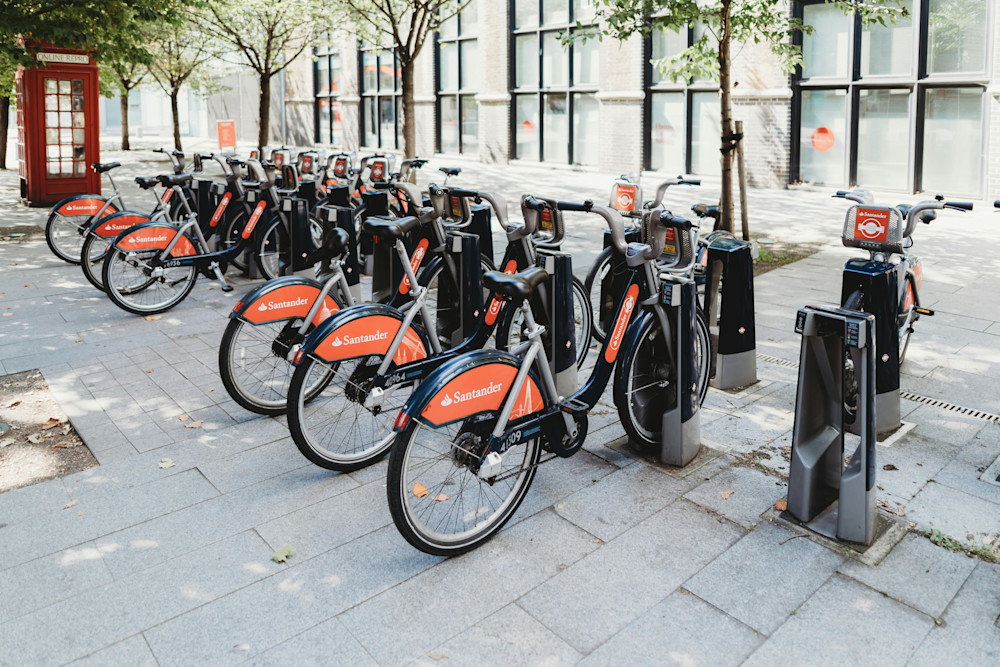
Image Via Humphrey Muleba
In the UK, the law is explicit and leaves very little room for interpretation. Much like the EU, the law classifies street-legal e-bikes as Electrically Assisted Pedal Cycles (EPACs). As previously mentioned, pedals and a compliant motor are a must to be considered an EPAC.
No one under the age of 14 is allowed to ride an EPAC in any public space. These rules apply to e-bikes for hire from Lime, Voi, Dott, and others. So, if your e-bike retailer is selling you on buying your child an e-bike, beware, as certain regions in the UK, like Thames Valley, Salford, and a few others, would like to see parents fined for kids riding e-bikes.
Although e-scooters are widely available online, they are strictly illegal to use in the UK unless hired from companies like Lime or Dott. If law enforcement catches you or your child riding an e-scooter that state-approved companies like Lime, Dott or Voi don’t rent out, they will immediately confiscate the scooter in question. This restriction exists because companies like Lime and Dott require users to verify their identity by providing a valid UK driving license before unlocking an e-scooter. If purchased privately, you or your child may ride an e-scooter only in private spaces, with parental supervision for minors.
The United States
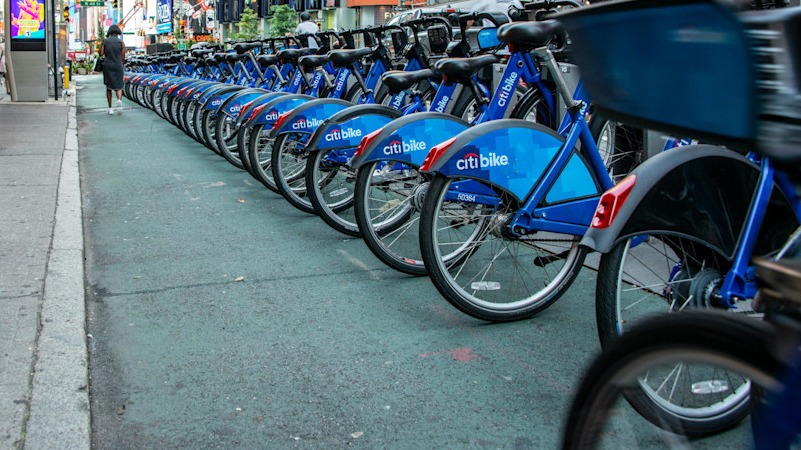
Image Via - James Kampeis
In contrast to the EU and the UK’s single-tier system, where a bike is either an e-bike or not, the US has adopted a three-tier system. This system classifies vehicles based on how power is delivered and their top speed. Class 1 vehicles are pedal-assisted only and cannot exceed 20 mph. Class 2 vehicles are both pedal- and throttle-assisted and must travel at speeds below 20 mph. Class 3 vehicles are purely throttle-assisted and must top out at 28 mph.
Although each state’s regulations vary, generally, the guidelines state that class 1 vehicles have no minimum age limit. However, some states choose to enforce a minimum age of 14 for class 2 vehicles. Most states require you to be at least 16 years old to ride class 3 vehicles. Each state also has different guidelines on where you can use them, whether that’s on roads or in dedicated bike lanes.
The rise of unpedalled e-dirt bikes in US suburbs and beach towns has caused massive friction between residents and the industry. Most machines lack brakes and easily bypass the 750 W power limit on motors, thus discounting them from the class system. Instead, these bikes fall into the Off-Highway Vehicles (OHV) category. To ride on public roads, you must register the bike with the DMV, title it, and equip it with DOT-approved headlights, turn signals, and mirrors. Most importantly, the rider must have a standard driver’s license (16+). On public OHV dirt trails, riders aged 12 to 15 need a dedicated OHV license and must be within the line of sight of an adult (parent/guardian) to use their eMoto bikes on closed-circuit trails, not on public roads.
Our Takeaways
If you want to buy your child an e-bike, there are plenty of options. Just be sure to look for a pedal-assisted bike with a compliant motor and appropriate helmet/facial protection. Familiarise yourself with the local infrastructure- are there enough bike lanes? Are you allowed to use motorways/ highways? And finally, review your insurance options; even if it's not required, it's worth protecting both the e-bike and the rider.
Like what you've read? Read our extensive guides on helmets, safety systems, and e-bikes under 1000 & under 2000.
Buy your tickets to the Micromobility Conference, one of the 2 live events we host each year. We'll have industry leaders, legislators, announcements, launches, and a test track to try out the bleeding-edge tech in the micromobility space.
Happy Riding!