
Nearly halfway into 2026, the low hum of e-bike motors has become a staple in most urban streets. It has even become a more common occurrence in some rural areas. What was once a niche hobby for early adopters has now transformed into a sophisticated market, where e-bikes are no longer just “bikes with batteries,” but are rather complicated, finely designed and tuned machines that are an investment.
Nearly halfway into 2026, the low hum of e-bike motors has become a staple in most urban streets. It has even become a more common occurrence in some rural areas. What was once a niche hobby for early adopters has now transformed into a sophisticated market, where e-bikes are no longer just “bikes with batteries,” but are rather complicated, finely designed and tuned machines that are an investment.
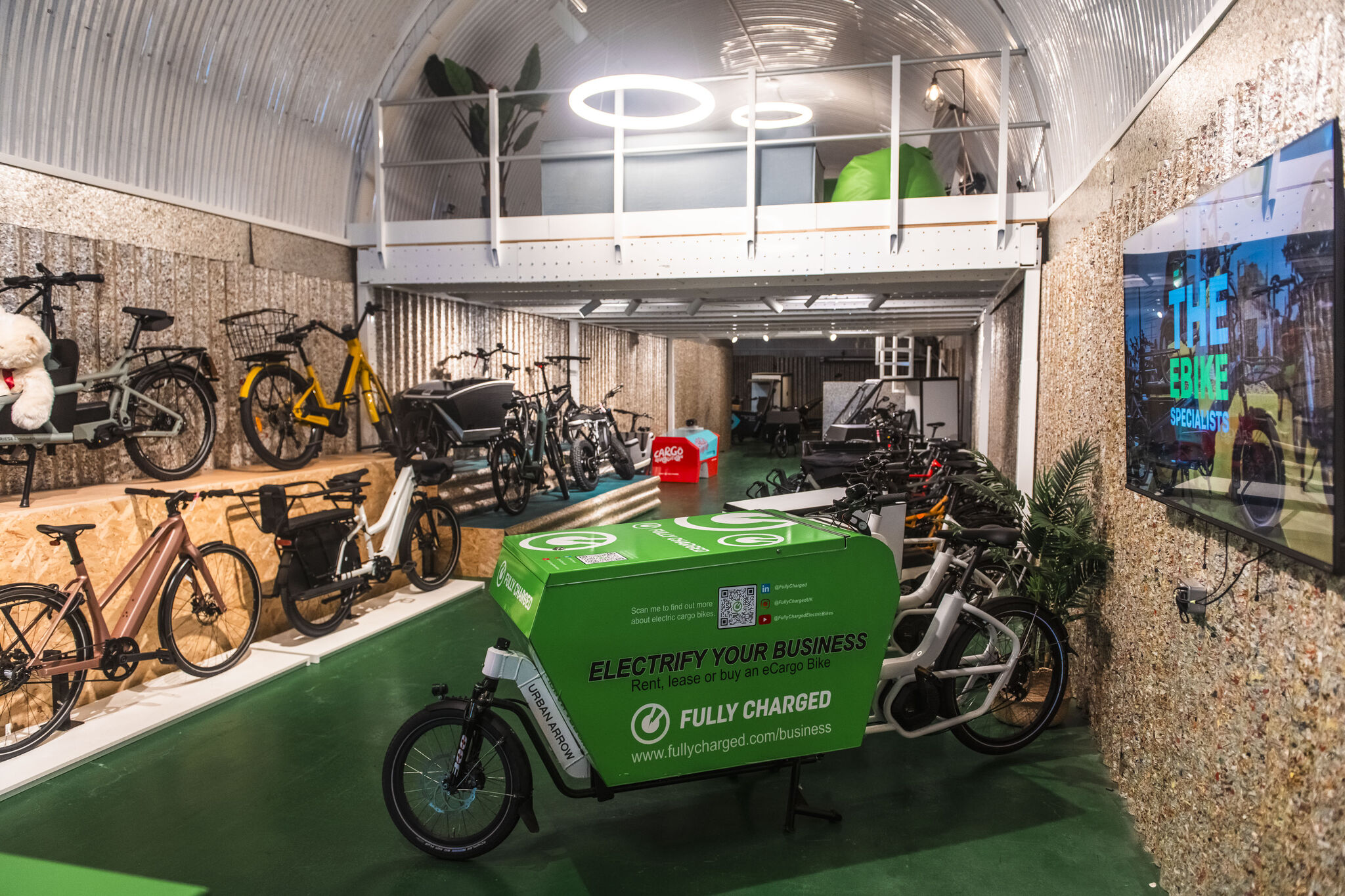
Seeing as our last three articles analysed and picked out our choices for the best-in-class cargo, commuter and trail e-bikes, we thought the best way to wrap this up was to speak to an expert in the industry who is experienced with customers, as they are with manufacturers. Who better than Dan Parsons, Co-founder and head of B2B for Fully Charged, London’s leading e-bike retailer.
In an exclusive sit-down with Ride Review, Parsons agrees with our analysis that e-bikes are investments, adding that “they should be treated as such,” he warns customers who “buy cheap, buy twice.” Parsons believes that “a reliable, quality eBike will start at around £2500 - and the sky’s the limit.”
Is the cargo e-bike 2026’s family car?
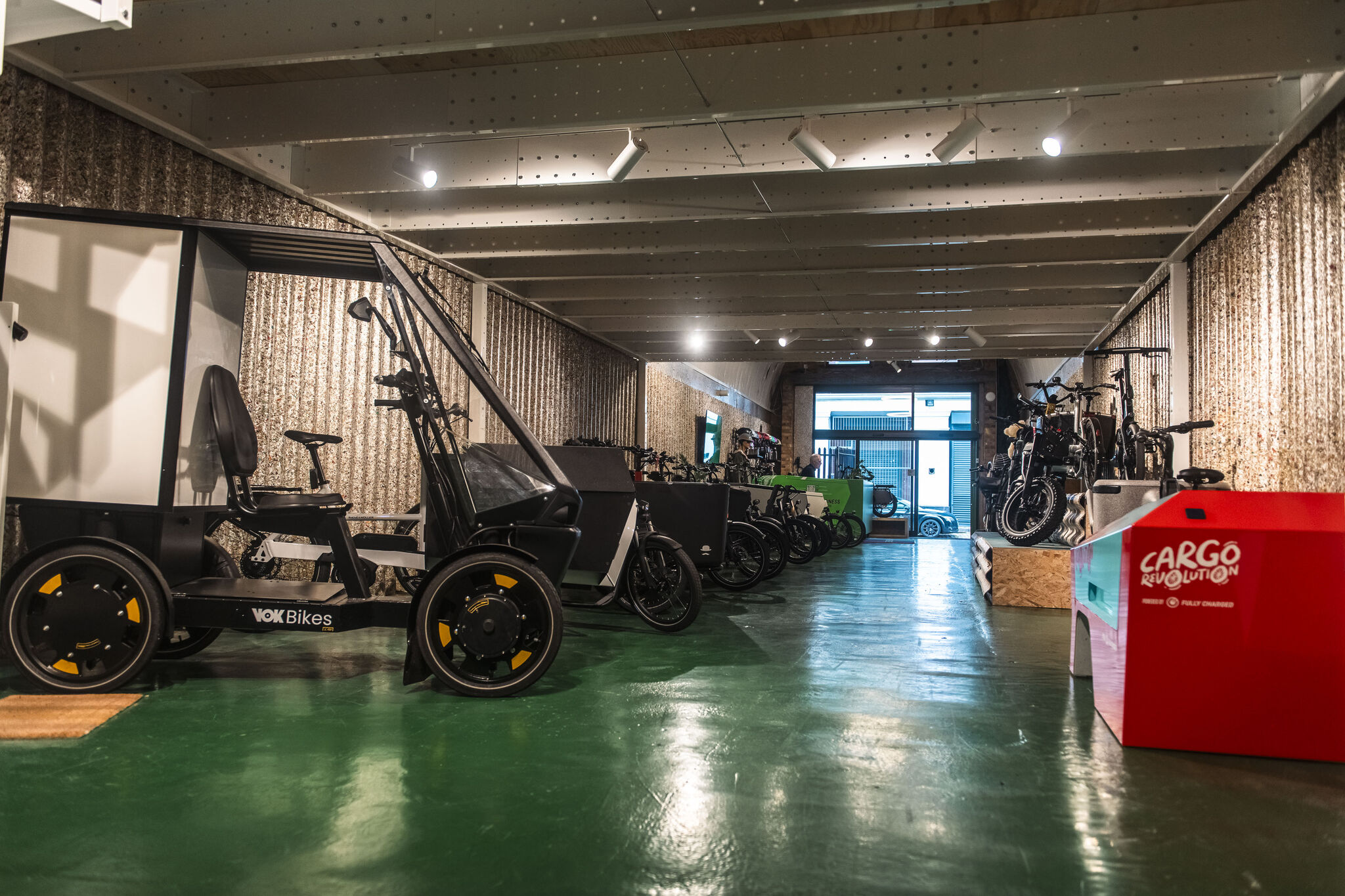
Urban streets are crowded enough as it is most mornings with commuters driving across town for work. Do you want to spend time getting frustrated at the traffic? Or be part of the solution? Parsons firmly believes that the latter holds for many urban users, and the numbers back it up.
“Without doubt, it is family cargo bikes that have taken the top spot in recent years,” he says, reaffirming that urban users seek sustainable alternatives to car journeys. In some areas of the UK, they might even get to skip that morning line to the school for drop-offs because of dedicated bike lanes.
We can confidently say that our pick for your next potential cargo e-bike, the Tern GSD series, remains the gold standard. As Parsons puts it, “everyone wants durability and serviceability, seeking a reliable product with low maintenance.”
The Commuter’s Dilemma: Weight vs Range
“Long range and lightness in weight are often desired—but are of course a compromise, with one being dependent on the other,” Parsons notes. For the daily commuter, the 2026 market offers a confusingly high number of options, but they are still plagued by a classic trade-off: weight vs range.
Features once considered premium, like torque sensors for smooth acceleration and GPS tracking for anti-theft, are now crucial in 2026, while "show" features like balloon "fat tires" on city bikes have largely fallen out of favour.
In fact, Parsons also speaks to the vast array of choices one might have when buying their new or next e-bike, but warns about a few options. He stresses that if you’re in the market for an e-bike, you should definitely be avoiding “cheap products from auction sites, which may not have been tested to the same rigorous quality and safety testing standards.”
That considered, we’re happy to say we once again picked right. This time, it was the Aventon Level 3. Yes, it’s bulky at 30 Kg, but you can ride it for nearly 70 miles on a full charge.
Mountain e-bikes: Adrenaline beyond the road
The mountain e-bike (eMTB) sector has seen a push towards professional-grade reliability. Based on our analysis, users in this e-bike genre are looking for the latest, greatest bleeding-edge technology. As Parsons classifies them, “tech geeks who are looking for the latest and greatest, but still want durability and serviceability.”
From our analysis, users ought to look for UL ratings on their batteries and motors, and an IP or equivalent waterproofing rating, to prevent short circuits and corrosion. In fact, we would go so far as to say they are no longer optional; they are essential to the long-term experience. It harkens back to Parsons' sentiment on e-bikes being an investment. No one wants an investment that becomes unusable after a few wet trail rides.
Our picks of the Aventon Current series check all the boxes, plus more, we feel. With their dual suspension, hydraulic brakes, and integration into Apple and Google’s “find my” software, they exemplify what Parsons says e-bike customers are looking for: reliability and low-maintenance.
All in all, the "average" bike is a thing of the past; today's riders want tools that perform specific tasks reliably.
As Parsons summarises, the modern e-bike buyer is looking for "reliability, reliability, reliability". In a world where e-bikes are replacing cars, the most important feature isn't how fast it looks—it's whether it will start every morning for the school drop-off, grocery run, speedy commute, or adventurous trail riding.